
Acupuncture
More Than Needles. Treating The Person, Not Just The Symptom
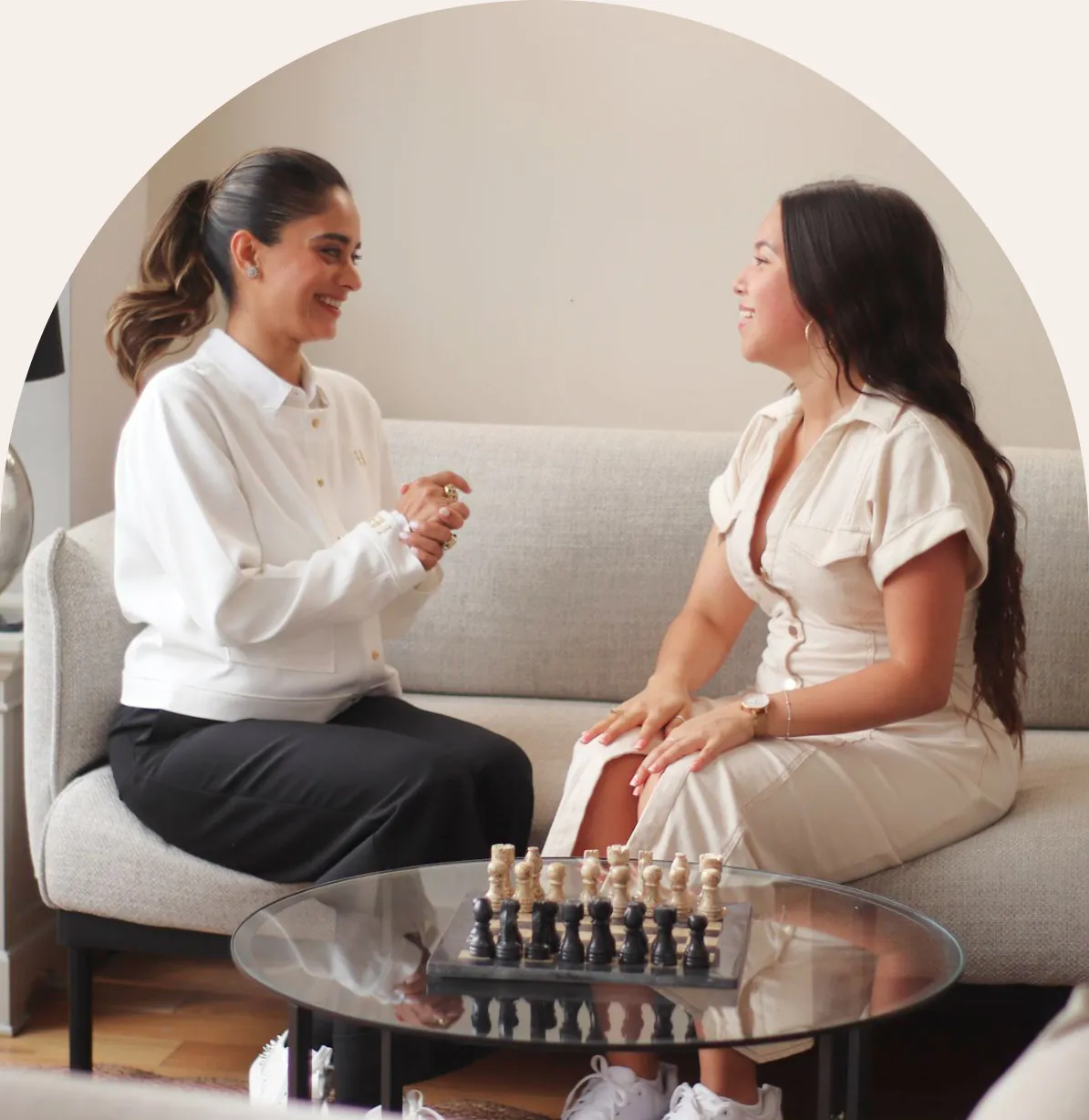
Acupuncture is a key part of Traditional Chinese Medicine, using fine needles placed at carefully selected points on the body. But the treatment is about far more than where the needles are placed. It begins with understanding you — your symptoms, your health history and the way different aspects of your health may be connected.
From sleep, digestion, energy and emotional wellbeing to pain, women’s health, men’s health and fertility, I look beyond the symptom itself to understand the wider pattern your body may be presenting. Your symptoms are important, but they are only part of the picture.
This understanding guides the acupuncture points I choose and the treatment I create for you — individual, considered and never simply a standard protocol for a diagnosis.
The Treatment
Fine Needles. Carefully Chosen Points. A Treatment Unique To You.
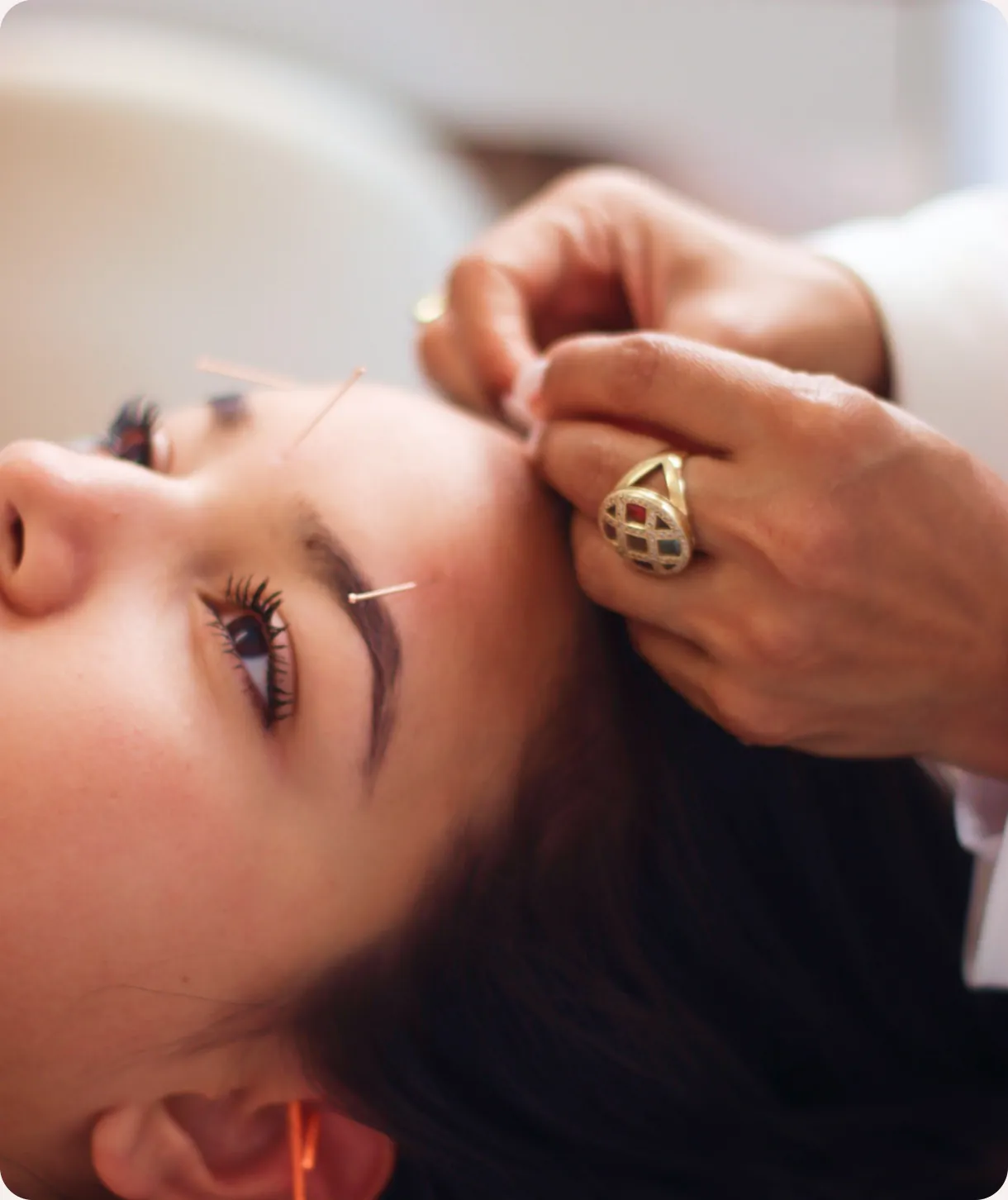
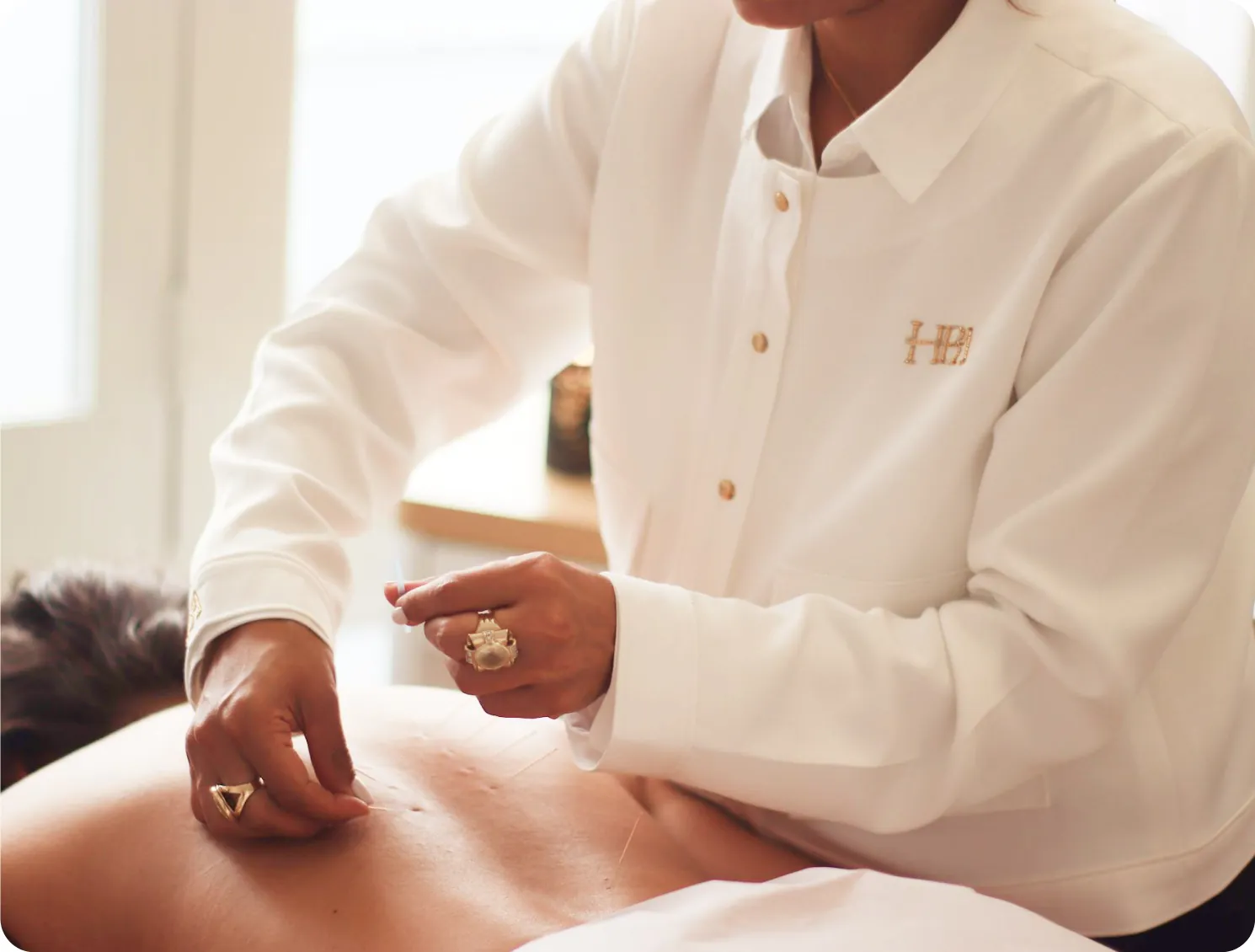
Your treatment is calm and unhurried. Fine, sterile needles are gently placed at carefully selected acupuncture points and left in place while you rest. Many people are surprised by how little they feel — and how deeply relaxed they become.
The points I choose are guided by what your body is presenting that day. As things change, your treatment may change too — so each session responds to you rather than simply repeating the same set of points.
Traditional Chinese Medicine
Treating The Pattern, Not Just The Label.
In Traditional Chinese Medicine, the same symptom or diagnosis does not necessarily mean the same underlying pattern. Two people may come in with the same concern, yet the way it presents — and what may be contributing to it — can be very different.
This is why I look at the wider picture: what you are experiencing, how different signs and symptoms appear together, and what your body may be showing. Alongside our conversation, observing the tongue and feeling the pulse are traditional diagnostic tools that can offer further insight into the pattern presenting.
It is this overall picture — rather than the label alone — that helps guide the acupuncture treatment.


Supporting Techniques
Different Tools. Chosen For A Reason.
Acupuncture may form the heart of a treatment, but it is not always the only technique I use. Depending on what your body is presenting, I may draw on other Traditional Chinese Medicine techniques — each chosen with a specific purpose and as part of your individual treatment.
Gua Sha
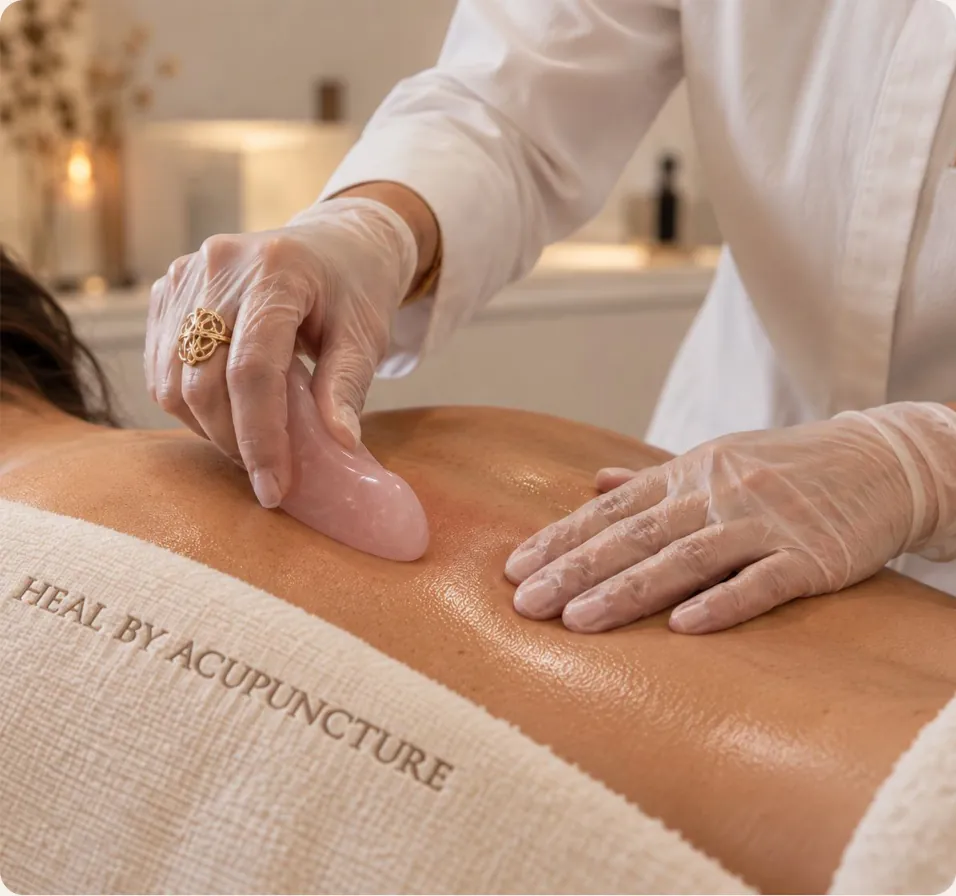
A traditional hands-on technique that uses controlled strokes across the skin to ease muscular tension, encourage circulation and movement, and work more directly with areas that feel tight, restricted or “stuck”.
What It Is
- Smooth-edged tools are moved across the skin with controlled strokes
- Works directly over tight or restricted areas
- Traditionally used to encourage the movement of Qi and Blood
Why I May Use It
- Persistent muscular tension & stiffness
- Restricted movement and mobility
- Areas that feel tight, congested or “stuck”
- To support circulation and movement as part of an individual treatment plan
What To Expect
- A firm, controlled treatment
- Temporary redness or sha may appear
- Marks usually fade naturally within a few days
Moxibustion
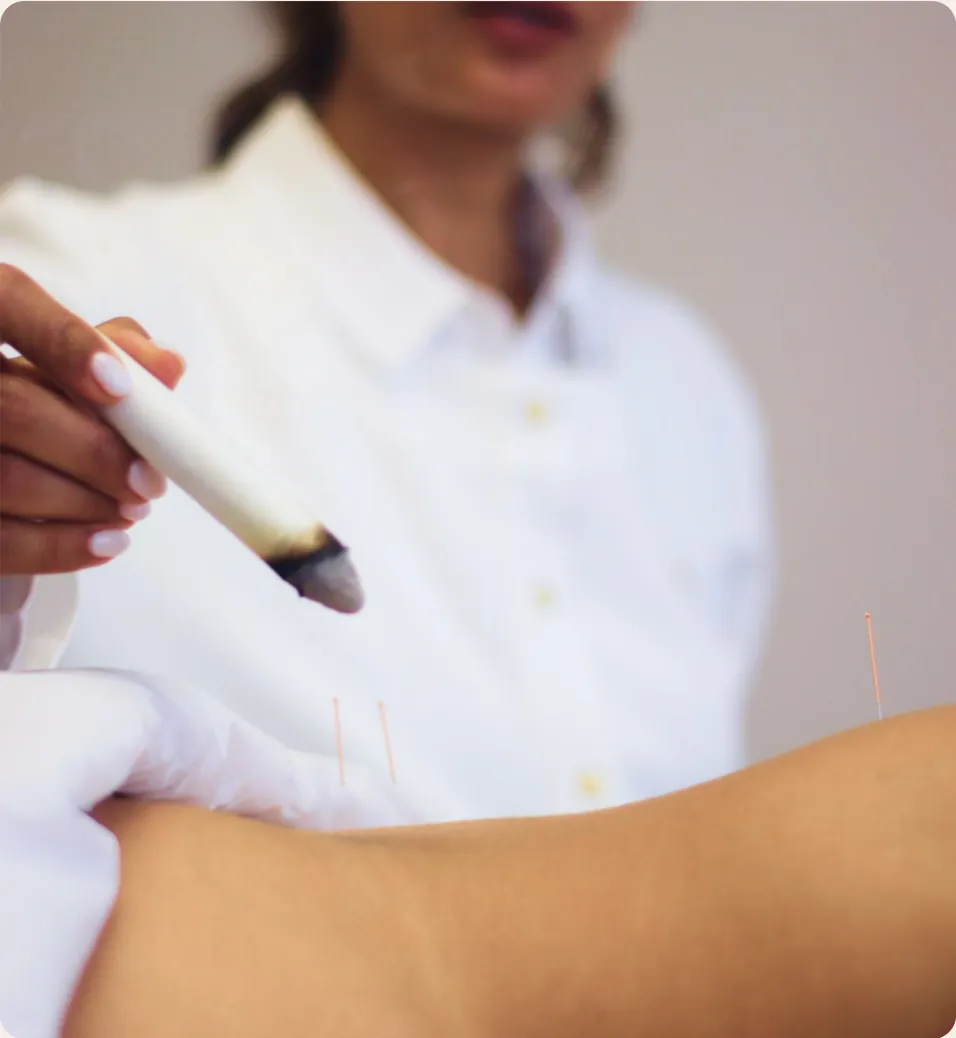
A traditional heat therapy using moxa to bring deep, targeted warmth to specific acupuncture points and areas of the body — particularly where warmth, circulation and movement need support.
What It Is
- Moxa is made from dried mugwort
- Therapeutic heat is applied near selected acupuncture points
- Can be used independently or alongside acupuncture
Why I May Use It
- Cold-type pain, stiffness or discomfort
- Menstrual and digestive presentations
- Fertility and reproductive health support, where appropriate
- To bring therapeutic warmth to selected points and areas
- As part of a wider acupuncture treatment strategy
What To Expect
- Gentle, penetrating warmth
- Comfortable rather than hot or burning
- Intensity and distance continually adjusted to you
- Often a deeply relaxing part of treatment
Fire Cupping
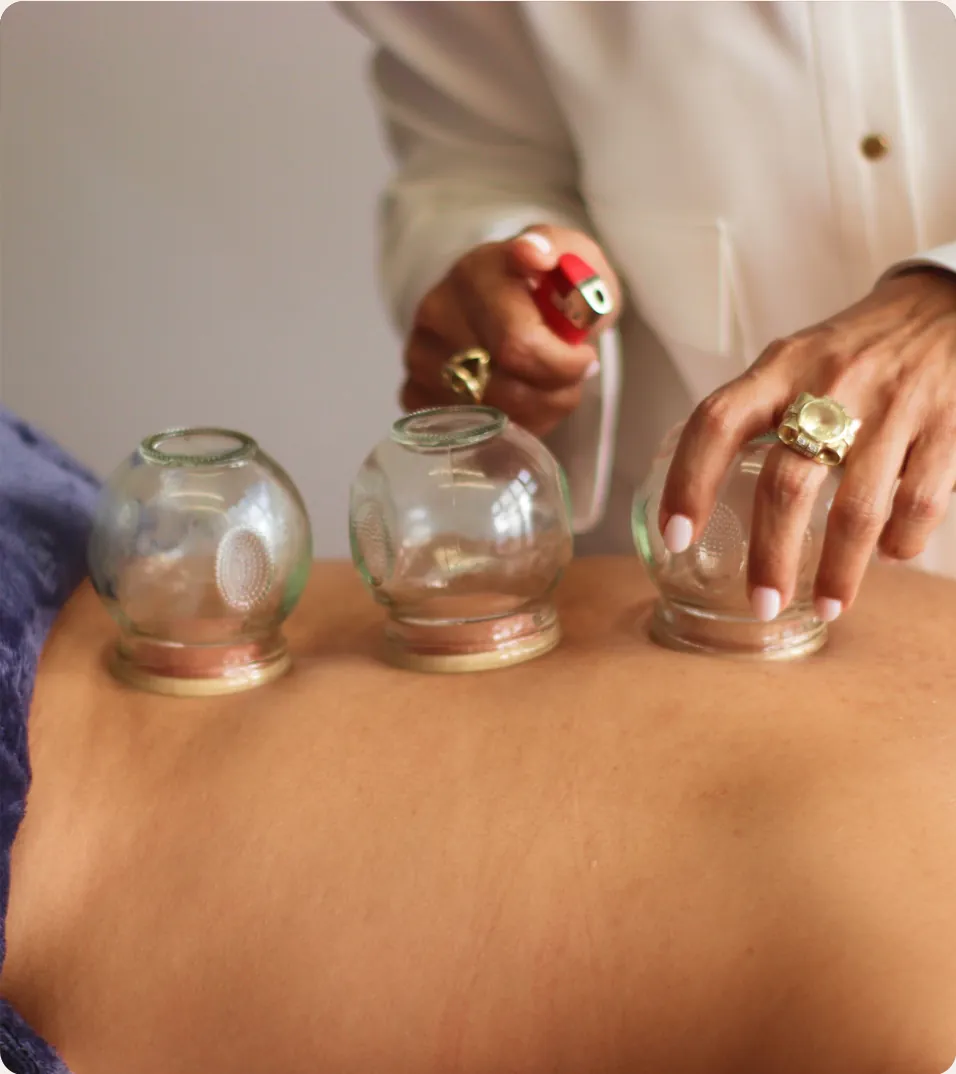
A traditional therapy that uses controlled suction to gently lift the skin and underlying tissues, rather than applying pressure into them. This encourages local circulation and allows me to work differently with areas of muscular tension, stiffness, pain and restriction — particularly across larger or persistently tight areas.
What It Is
- Traditional fire cupping uses glass cups, with heat briefly introduced inside the cup to create suction before it is placed on the skin.
- Suction cupping uses cups where the vacuum is created mechanically, allowing the level of suction to be carefully controlled.
- Cups may be left in place or gently moved across muscular areas, depending on what I am treating and the technique required.
Why I May Use It
- Deep or persistent muscular tension and stiffness
- Tightness through the back, neck, shoulders or legs
- Restricted movement or areas that feel difficult to release
- To encourage local circulation and movement across larger or congested areas
What To Expect
- A firm but comfortable pulling and lifting sensation from the suction
- A feeling of warmth and release through the area being treated
- Temporary circular marks may appear and can vary in colour and intensity
- Marks usually fade naturally over several days, while suction is always adjusted to your comfort
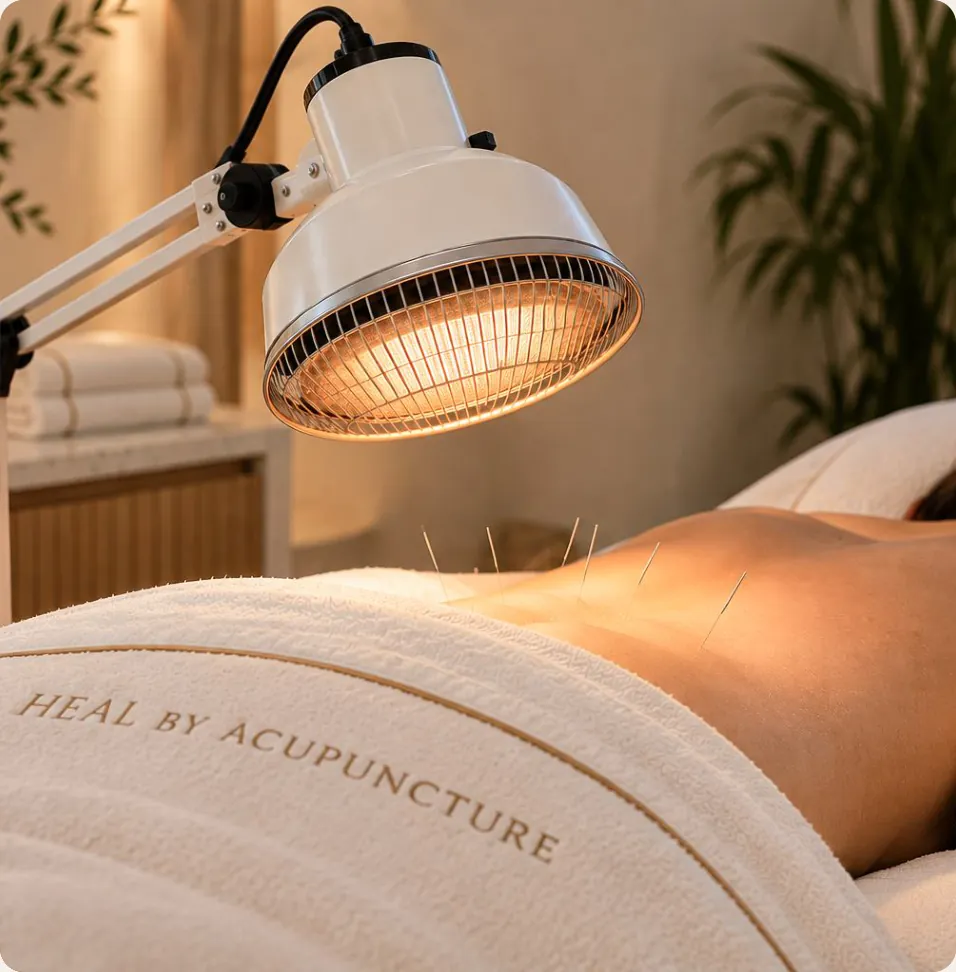
TDP Heat Therapy
Targeted therapeutic heat used alongside acupuncture to bring sustained warmth to a specific area of the body.
What It Is
- A specialised therapeutic heat lamp
- Positioned above a selected treatment area
- Provides sustained, comfortable warmth without touching the skin
Why I May Use It
- Tight, aching or stiff muscles
- Menstrual and abdominal presentations where warmth is appropriate
- As an adjunct within some fertility and reproductive health treatments
- To provide sustained therapeutic warmth while acupuncture needles are retained
What To Expect
- Gentle, soothing warmth
- No contact with the skin
- Temperature and positioning adjusted to your comfort
- You simply relax while it works alongside your acupuncture treatment
Your Treatment
One Treatment. Different Tools. Always Personalised.
You do not need to decide whether you need acupuncture, Gua Sha, cupping, moxibustion or heat therapy before you arrive.
That’s My Job.
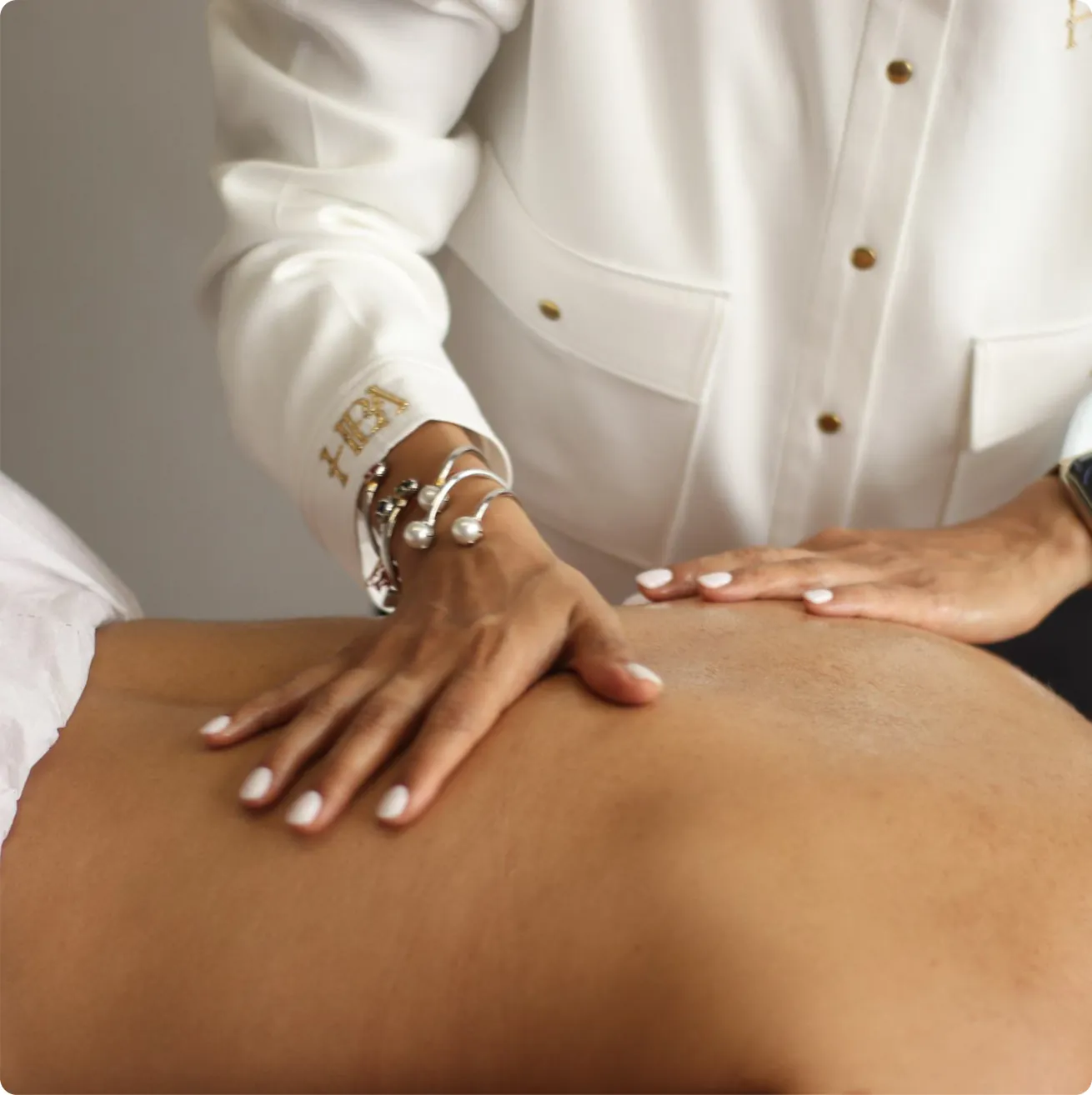
We begin with a conversation and an assessment. I then select the acupuncture points and, where appropriate, additional techniques based on what I find and how you are presenting that day.
There is no standard recipe — because no two people arrive with exactly the same story.
Ready To Begin?
Not sure which treatment is right for you? You don’t need to decide. Your treatment begins with a conversation, and from there I will create an approach based on you, your health and what your body needs.
Can’t find a suitable appointment online?
Use the Request An Appointment form and I’ll be in touch to discuss availability.
Request An Appointment
Choose your preferred clinic, date and time and I will be in touch to confirm your appointment.